

Automated Insect Monitoring for Biodiversity Net Gain
Continuous, automated ground sensors that can deliver audit-ready records to measure biodiversity impact on site.
Intro
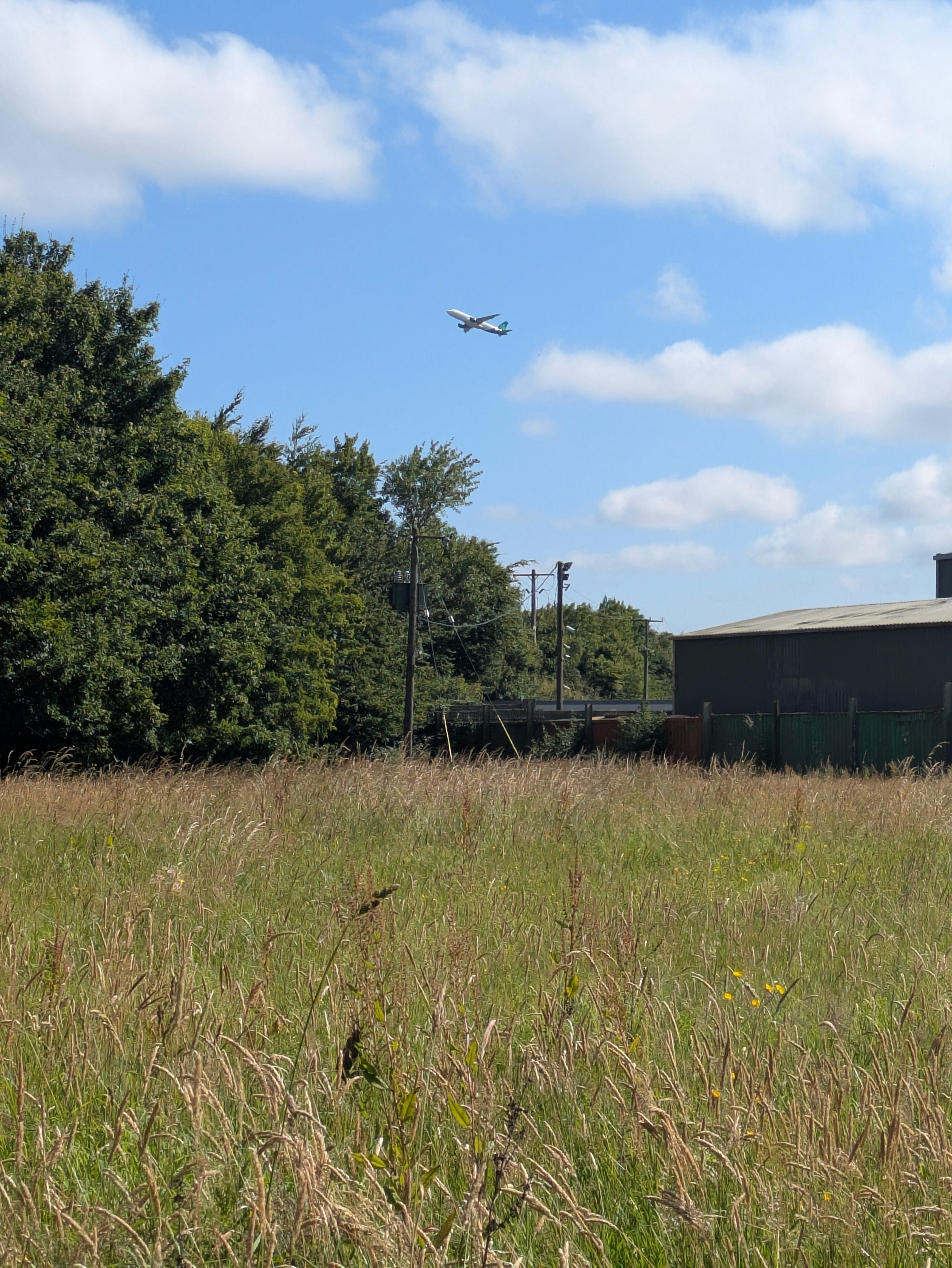
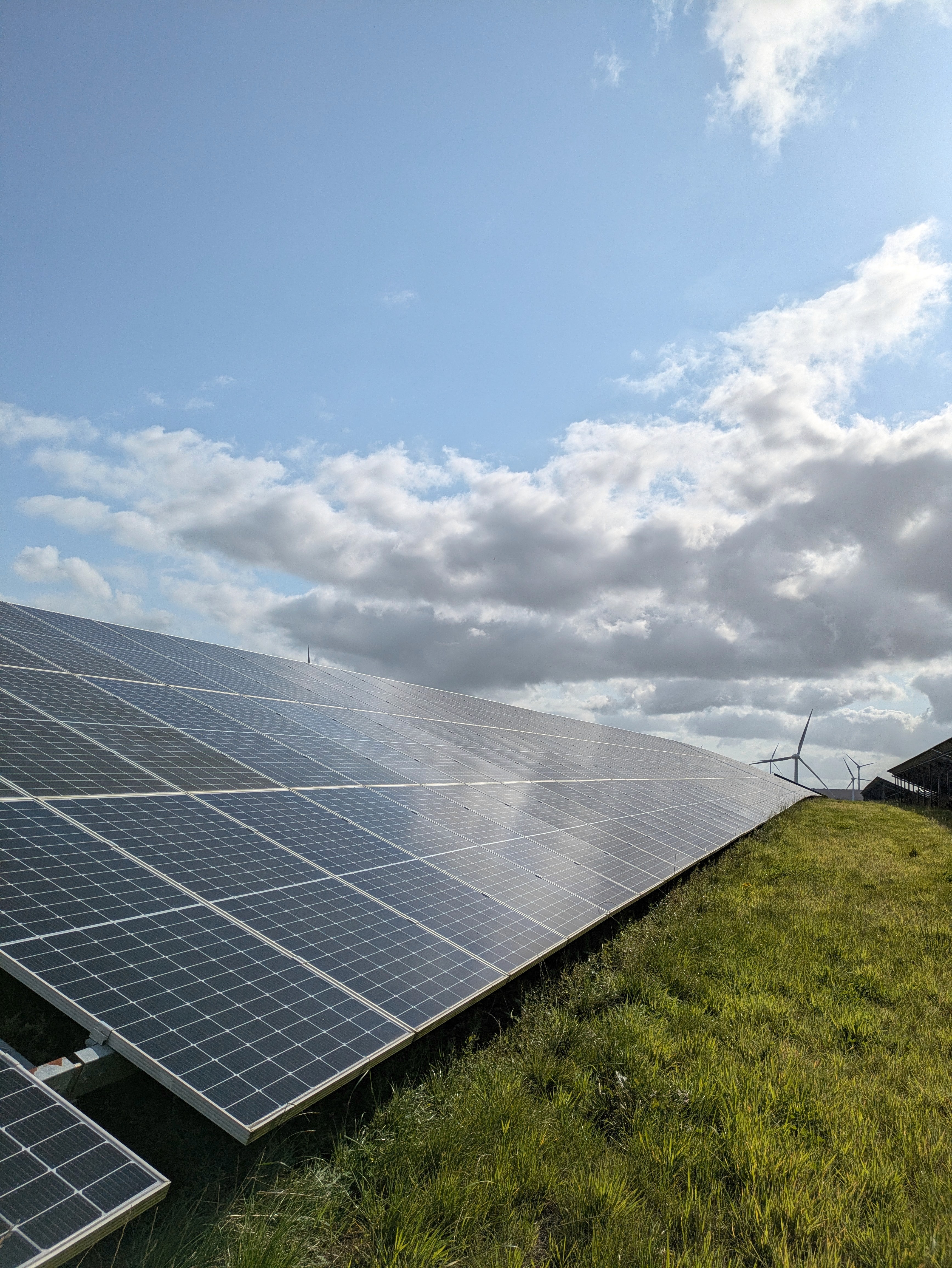
Collecting high-integrity, ground-truthed data on nature based solution projects supports multiple frameworks like BNG, CSRD and TNFD. Our IoT insect sensor network provides continuous monitoring, empowering ecologists and land managers with additional insights between site visits allowing them to assess larger areas of land. We work with renewable energy sites, airports, business parks and nature reserves to measure their biodiversity impact for regulations including ESRS E4 and HMMP compliance.
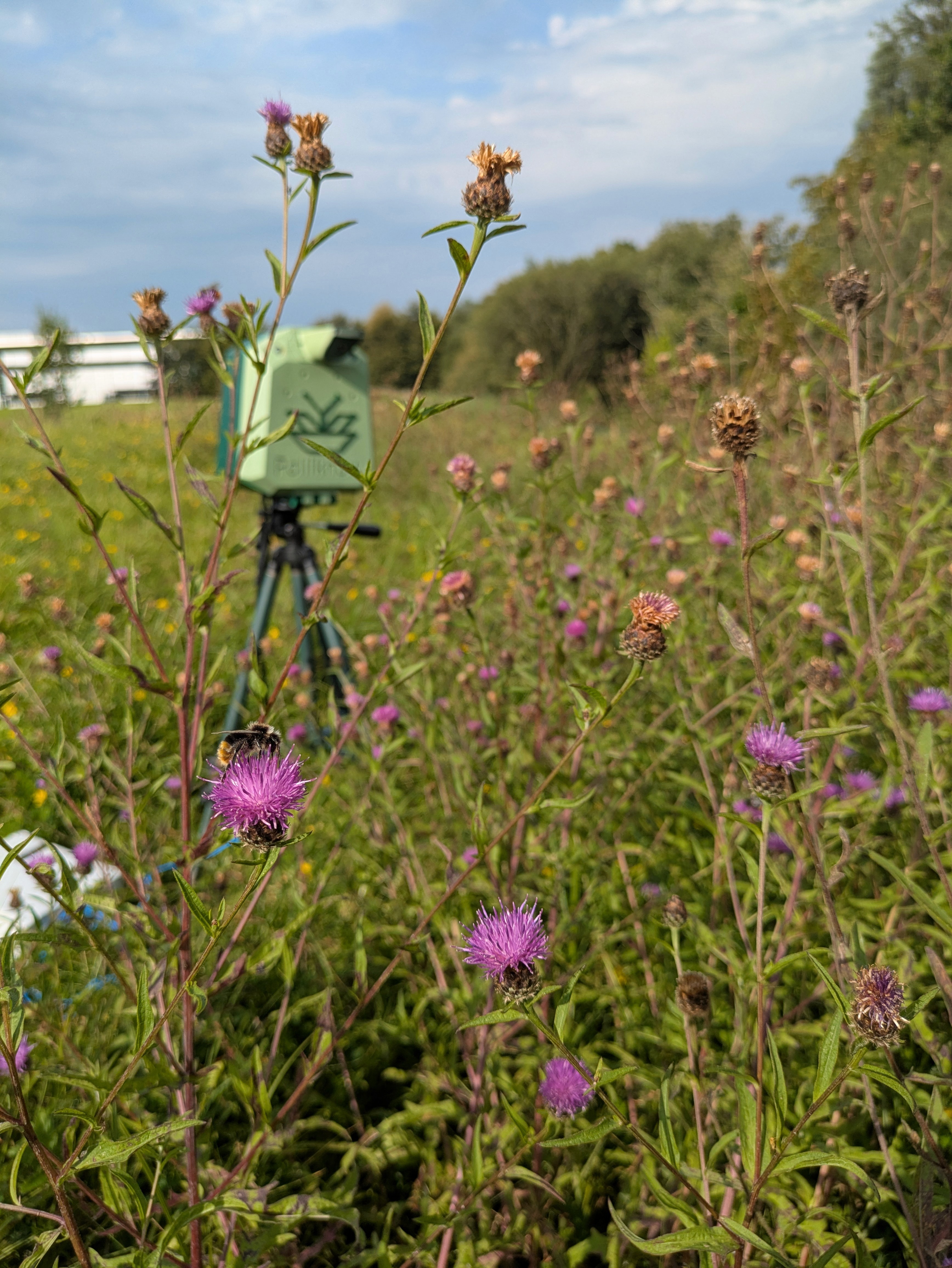
Continuous and Autonomous Monitoring
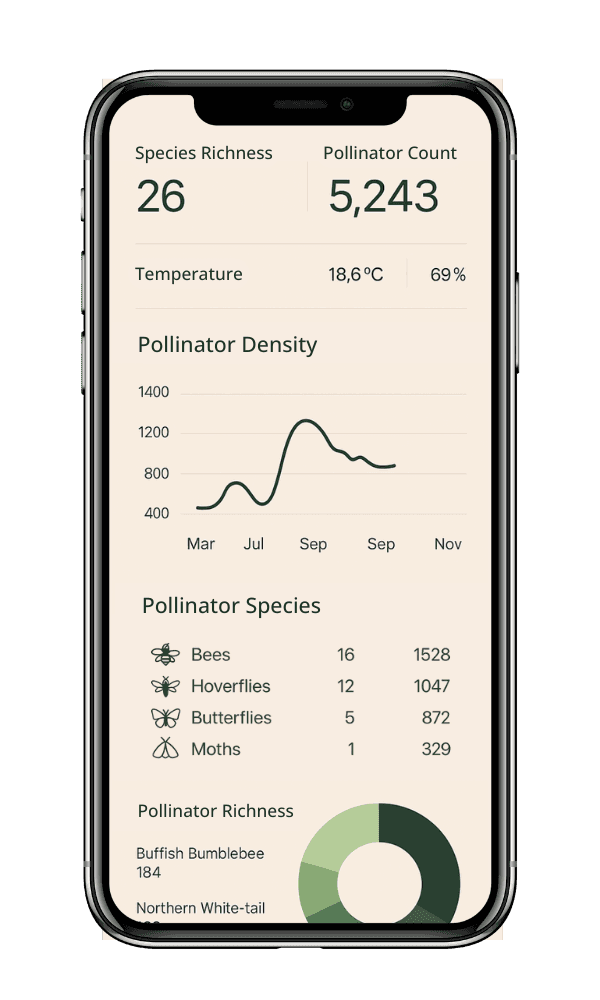
Automated Insights with Detections turned into Actionable Intelligence
Audit-Ready Reporting: (CSRD, TNFD, GRI, & Custom Frameworks)
Scalable Measurement across Multiple Sites and Habitats
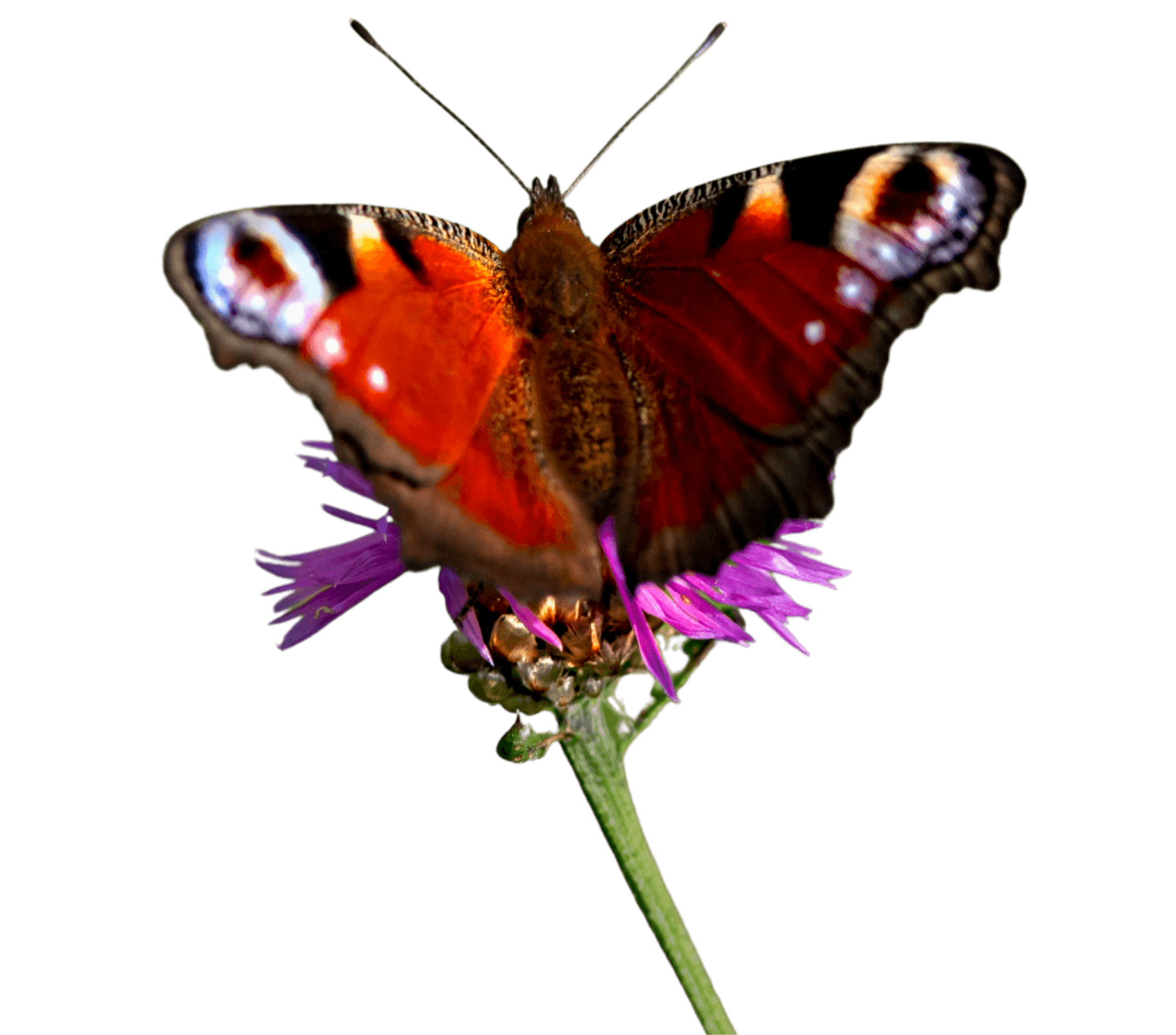
Over 80% of wild flowering plants rely on insect pollinators and ~75% of our crop species need to be pollinated.
Insect pollination provides between $235 and $577 billion to the global economy every year.
Why It Matters
Insects account for roughly 80% of all described animal species. Their diversity and populations signal ecosystem resilience, water quality and soil health. With short lifespans and limited ranges, they respond rapidly to both degradation and habitat improvement, making them localised early warning systems for environmental health.
Our automated, non-invasive monitoring devices capture species richness and diversity continuously.
By augmenting traditional surveys with a persistent IoT sensor network, we equip land managers with the high-integrity, ground-truthed data required to prove biodiversity uplift and meet strict reporting obligations.
Solutions

Baseline Reporting
Establish robust ecological baselines for Environmental Impact Assessments compliance

Throughout Project Lifecycle
Track species abundance and diversity without needing a lab. Every detection is traceable and audit-ready.
Report Ready Data
Easily export nature data for sustainability reporting to demonstrate progress and success of habitat interventions.
Partners & Customers


Case Studies & Blogs

Featured on RTE News